+44 (0) 151 548 2211


For convenience stores, cafés, supermarkets and food-to-go operators, commercial refrigeration rarely gets much time off. Chilled displays can operate for long hours every day, maintaining safe temperatures while keeping food and drink clearly visible and easily accessible to customers.
That accessibility is important during trading hours. But what happens when the doors close and there are no customers to serve?
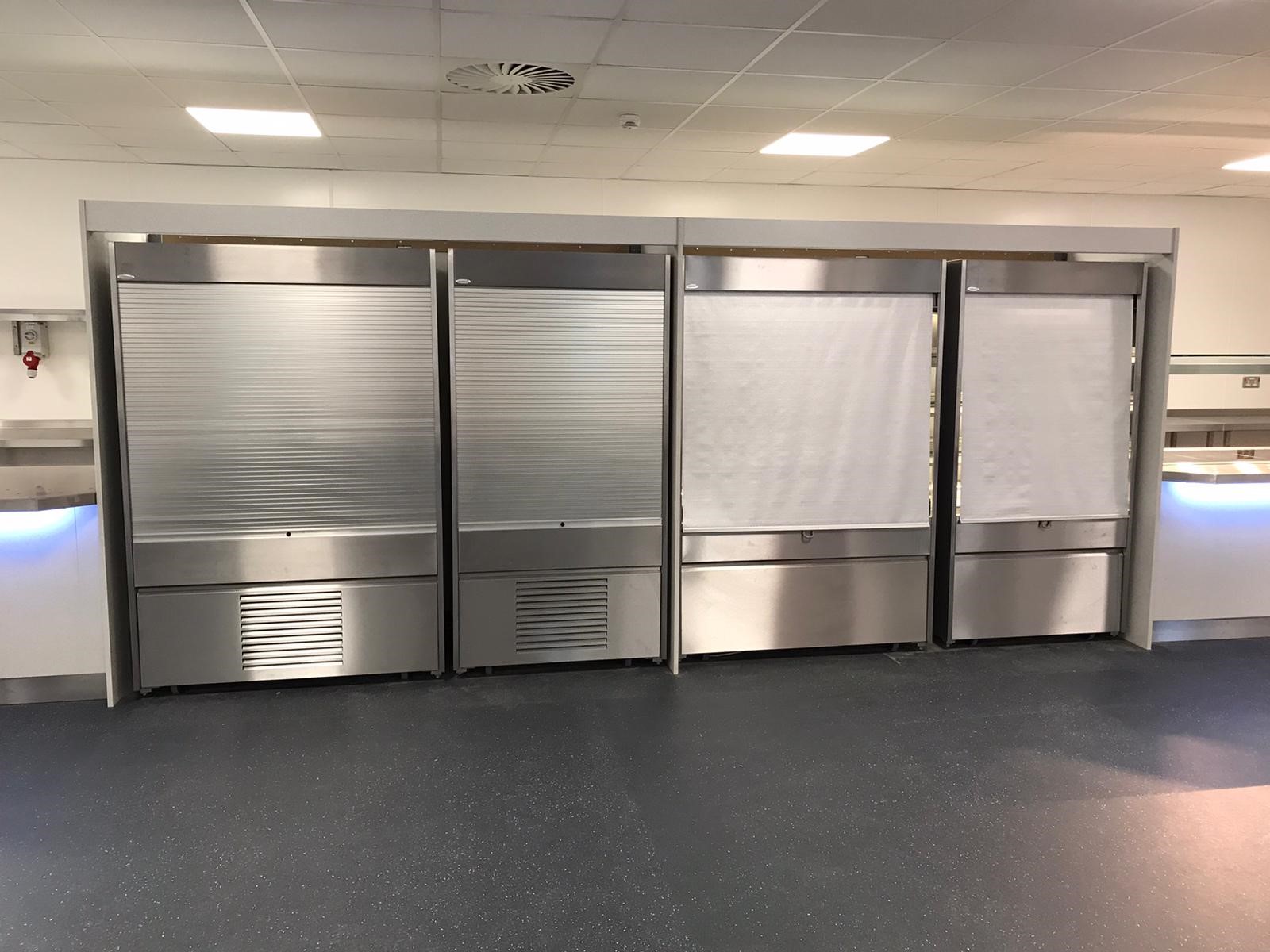
For open-fronted commercial refrigeration, a simple night blind can make a meaningful difference. By covering the open face of a refrigerated display when it isn’t being used, night blinds help retain cold air, reduce unnecessary heat gain and lessen the workload placed on the refrigeration system.
It is a relatively straightforward feature, but one that can form part of a much wider approach to improving energy efficiency.
What Is a Night Blind?
A night blind is a retractable cover fitted to the front of an open refrigerated display unit. When a store closes – or when a display isn’t required for customer access – the blind is pulled down to cover the open front.
During normal trading, it can be retracted so customers retain easy access to chilled food and drinks.
The principle behind it is simple: if customers don’t need access to an open-fronted display, there’s little benefit in leaving the refrigerated area completely exposed.
How Do Night Blinds Save Energy?
Open-fronted commercial refrigeration is designed to create and maintain a curtain of cold air across the display opening. This allows customers to access products without opening and closing a physical door.
It’s convenient, but an open display is also exposed to the warmer surrounding environment.
When a night blind is closed, it creates an additional barrier between the refrigerated display and the ambient air outside it.
This can reduce the amount of warm air entering the display and help contain the chilled air inside. As a result, the refrigeration system has less work to do to maintain its required temperature.
Over long periods when a business is closed, reducing that unnecessary workload can contribute to lower energy consumption.


Small Changes Matter in Commercial Refrigeration
Energy efficiency isn’t usually the result of one feature working in isolation.
For businesses operating multiple refrigerated displays for many hours each day, improvements across the entire refrigeration setup can add up.
Night blinds are one part of that picture. Other considerations include efficient refrigeration technology, LED lighting, appropriate temperature settings, good maintenance and choosing equipment that’s properly suited to the amount of product being displayed.
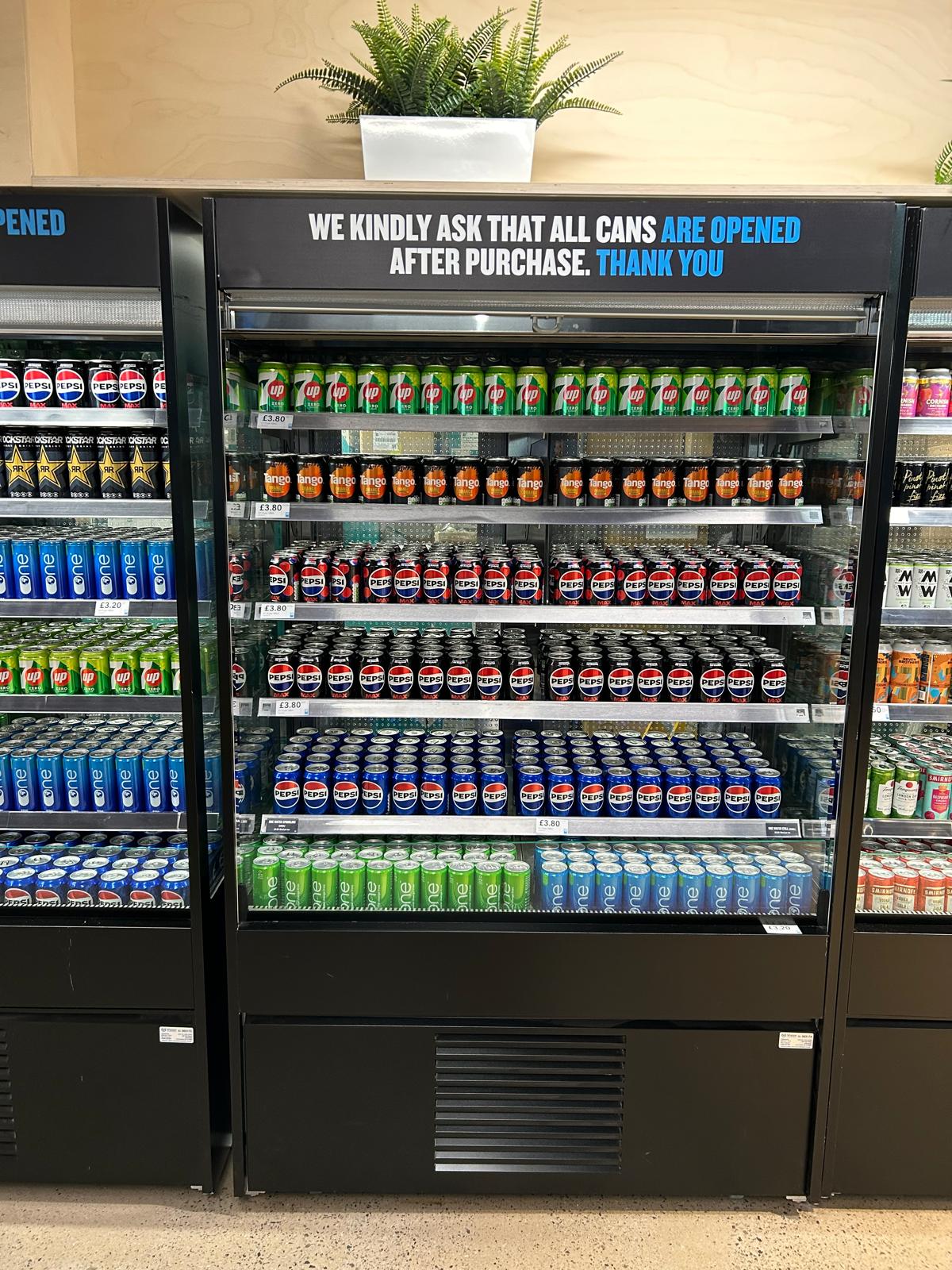
Counterline’s iCapacity chilled range, for example, combines open-fronted self-service merchandising with low-energy LED illumination and hydrocarbon refrigeration. The units maintain pre-chilled food and drink at a regulated temperature of 3°C to 5°C, with night blind and roller shutter configurations available across the range.
Can Night Blinds Help Maintain a Stable Temperature?
Reducing exposure to the surrounding environment can also make it easier for a refrigerated display to maintain its operating conditions.
Commercial refrigeration is constantly responding to external factors. Ambient temperature, airflow, product loading and customer activity can all influence the demands placed on a unit.
Closing a night blind removes some of that exposure during non-trading periods.
That doesn’t mean a night blind replaces good refrigeration design or correct operating practices. Instead, it works alongside them, helping the equipment maintain the conditions it was designed to provide.
What Else Can Reduce Commercial Refrigeration Energy Costs?
A night blind is useful, but it shouldn’t be the only consideration when trying to improve the efficiency of commercial refrigeration.
Regular cleaning and servicing can help equipment perform as intended, while blocked vents and poor airflow can force refrigeration systems to work harder than necessary.
Operators should also think carefully about how displays are loaded. Overfilling a unit or obstructing its airflow can interfere with its ability to maintain consistent temperatures.
Equipment selection matters too. Matching the capacity of a display to actual demand can help avoid operating more refrigerated space than the business needs.
And when investing in new equipment, features such as efficient refrigeration systems and low-energy lighting should form part of the purchasing decision rather than being treated as an afterthought.
Night Blinds and the Counterline iCapacity Range
Counterline’s iCapacity chilled merchandisers have been designed for high-volume food and drink environments where product presentation, accessibility and reliable refrigeration all matter.
The open-fronted, self-service displays provide five levels of merchandising space and are suitable for products including sandwiches, filled rolls, salads, pasta, dairy products, cakes, smoothies and bottled or canned drinks.
Alongside low-energy LED lighting and hydrocarbon refrigeration, night blind options allow operators to close off the display when customer access is no longer required.
For businesses assessing the overall energy efficiency of their commercial refrigeration, it’s a simple feature worth considering from the outset.
Quick Answers About Refrigeration Night Blinds
Do night blinds reduce energy consumption?
They can help. Closing the open front of a refrigerated display reduces its exposure to warmer ambient air, which can reduce the demand placed on the refrigeration system during non-trading periods.
Should night blinds be used every night?
For suitable open-fronted refrigeration, they should be used during extended periods when customers don’t require access, following the manufacturer’s operating guidance.
Do you have to turn commercial refrigeration off when a shop closes?
Not if the unit contains products that need to remain refrigerated. The refrigeration must continue maintaining the required conditions for the products being stored.
Are night blinds only suitable for supermarkets?
No. They can be useful anywhere open-fronted refrigerated merchandising is used, including convenience stores, cafés, forecourts and food-to-go outlets.
What should I look for when choosing commercial refrigeration?
Temperature performance, energy efficiency, capacity, merchandising space, accessibility, ease of maintenance and features such as night blinds should all be considered alongside the needs of the individual business.
Making Commercial Refrigeration Work Smarter
Reducing energy costs doesn’t always require dramatic changes.
For open-fronted commercial refrigeration, making better use of the periods when customers aren’t shopping is a logical place to start. A night blind allows the display to remain open and accessible when that matters most, then provides an additional barrier when it doesn’t.
Combined with efficient refrigeration technology, LED lighting, good maintenance and sensible operating practices, it’s one more way businesses can make their refrigerated displays work smarter.
Counterline offers a range of chilled food and drink display solutions for convenience, retail, hospitality and food-to-go environments. Explore the Counterline refrigeration range or speak to the team to find the right display solution for your operation.