+44 (0) 151 548 2211


The technology behind frictionless retail might be changing how customers pay, but it hasn’t changed the fundamentals of selling food and drink. Products still need to be stored correctly, displayed attractively and made easy to access.
For operators planning a checkout-free shop, it’s tempting to concentrate on cameras, sensors and payment systems. These are essential components, but they’re only part of the picture.
The success of a frictionless retail store also depends on the equipment customers interact with. From refrigerated merchandisers to heated food displays, the right combination can make shopping quicker, restocking easier and the overall experience more straightforward.
So, what equipment should operators consider?
Refrigerated Displays for Chilled Food and Drink
Refrigeration is one of the most important considerations for any frictionless store selling fresh food.
Sandwiches, salads, dairy products, desserts and chilled drinks all need suitable storage and display conditions. Customers also need to be able to identify and collect products without unnecessary delays.
Open-front refrigerated merchandisers are particularly useful for this type of retail environment. Rather than opening doors or waiting for assistance, customers can browse and select products directly from the display.
Counterline’s iCapacity chilled range has been developed for high-volume food-to-go environments, offering open-fronted self-service access, illuminated shelving and refrigeration designed to maintain pre-chilled products at the appropriate temperature.
The size and configuration of refrigerated displays will depend on the store’s product range, expected footfall and available space.
It’s also worth considering replenishment. A store that handles hundreds of purchases during a busy period needs equipment that staff can restock efficiently.
Heated Displays for Ready-to-Eat Food
Not every frictionless store will focus exclusively on chilled products.
Hot sandwiches, savouries, breakfast products and other ready-to-eat foods can form an important part of the offer, particularly in convenience stores, transport locations and stadiums.
Heated self-service displays allow customers to collect pre-prepared hot food without waiting for an individual serving transaction.
However, the equipment must be suitable for maintaining the required holding temperatures. Hot-holding equipment is intended to keep properly cooked food hot, rather than cook or reheat it from cold.
Counterline’s iCapacity heated merchandisers provide open-fronted access to hot food, with multiple display levels designed for busy self-service environments.
For operators offering both hot and chilled products, using complementary display formats can also create a more consistent appearance across the store.
Ambient Display Equipment
Refrigeration and heating aren’t necessary for every product.
Crisps, confectionery, packaged snacks and other ambient goods may make up a significant proportion of a frictionless store’s range.
These products still need appropriate merchandising equipment.
Ambient shelving and display fixtures should allow customers to recognise products quickly, collect them easily and move on without obstructing other shoppers.
Their positioning also matters. Placing complementary products near chilled or heated displays can make purchasing a complete meal more convenient.
For example, locating packaged snacks close to sandwiches and drinks allows customers to collect several items without repeatedly crossing the shop floor.
Checkout-Free Technology and Payment Systems
Of course, a frictionless retail store also requires the technology that makes automated or simplified purchasing possible.
Depending on the system, this could include:
- Cameras and sensors to identify customer interactions with products.
- Automated product recognition to determine which items have been selected.
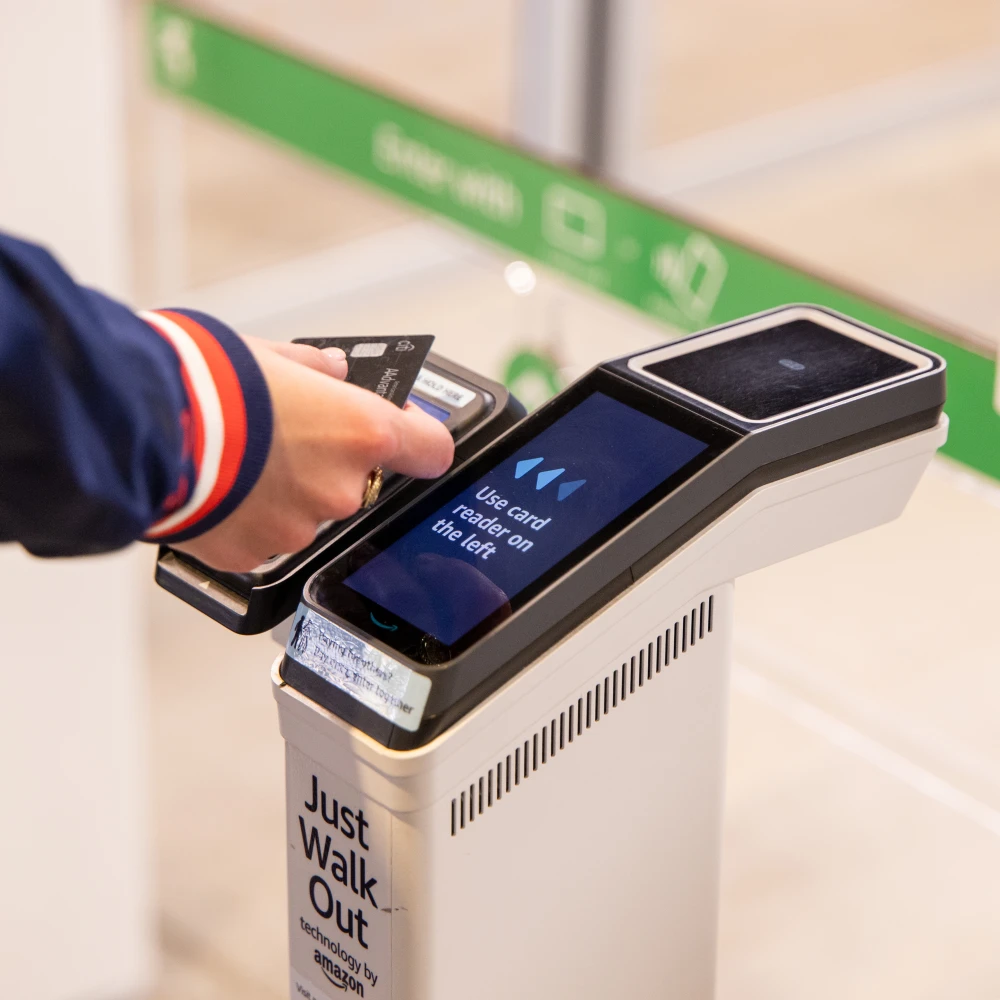
- Entry systems using payment cards, mobile applications or other authorised access methods.
- Payment processing technology to complete transactions without a conventional staffed checkout.
- Stock management software to help operators monitor inventory and product availability.
Not every frictionless store uses the same technology. Some operate through fully automated checkout-free systems, while others use self-checkout or simplified payment arrangements.
The chosen system may also affect how shelving, displays and products need to be arranged. Equipment compatibility should therefore be discussed with the technology provider during the planning stage.
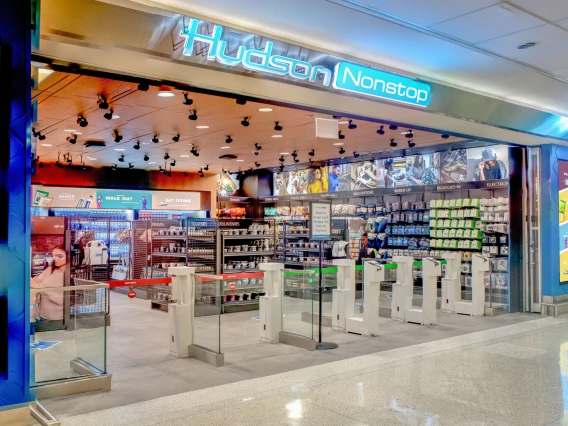
Store Layout and Customer Access
Choosing the right equipment is only useful if it works within the available space.
A refrigerated display might offer excellent capacity, but positioning it in a narrow walkway could create congestion. Similarly, a heated merchandiser placed too far from the main food-to-go offer may interrupt the natural shopping route.
Frictionless stores need enough space for customers to approach displays, browse products and move away without repeatedly crossing paths.
This becomes especially important in high-footfall locations, where several people may be selecting products simultaneously.
Equipment dimensions, access points, sightlines and replenishment routes should all be considered before the final layout is agreed.
Equipment That Can Handle Busy Periods
A frictionless store in a stadium faces very different demands from a small convenience shop.
During a stadium interval, large numbers of customers may arrive within minutes. Refrigerated and heated displays must provide enough accessible stock to support that demand, while allowing staff to replenish products as required.
Operators should consider how much product can be displayed at once, how quickly stock can be replaced and whether the equipment is suitable for the expected operating conditions.
There is little advantage in removing checkout queues if customers then have to wait for displays to be replenished.
Reliable temperature performance, straightforward cleaning and accessible maintenance are equally important when selecting commercial food display equipment.
Choosing Equipment for Your Frictionless Retail Project
There isn’t a universal equipment list that will suit every frictionless retail store.
A stadium kiosk might concentrate on chilled drinks, sandwiches and hot snacks. A convenience store could require a much broader range of food and drink displays, while a smaller food-to-go outlet may only need a handful of carefully selected units.
The best approach is to establish the product range, anticipated customer numbers and operating requirements before choosing the equipment.
Counterline supplies a range of refrigerated, heated and self-service food display equipment suitable for modern retail environments, including frictionless and grab-and-go projects.
Discuss Your Frictionless Retail Equipment Requirements
Planning a frictionless retail store involves bringing together technology, food display equipment and a layout that works for customers and staff.
Whether you’re developing a new checkout-free concept or adapting an existing retail space, Counterline can help you explore suitable display solutions for your food and drink offer.
Contact Counterline to discuss the refrigerated, heated and self-service equipment requirements for your frictionless retail project.