+44 (0) 151 548 2211

Energy efficiency is becoming a bigger priority across commercial catering. Rising electricity costs, sustainability targets, and long operating hours mean businesses are paying much closer attention to how their equipment performs — especially when it comes to commercial hot plates.
Used properly, hot plates provide reliable hot food holding without excessive energy use. However, incorrect temperatures, poor maintenance, or inefficient service routines can quickly increase running costs.
Here’s how to reduce energy consumption while still maintaining safe and effective hot food service.
The Short Answer
To reduce energy costs when using commercial hot plates, operators should:
- Maintain correct holding temperatures
- Avoid running equipment empty
- Use energy-efficient hot holding equipment
- Clean and maintain hot plates regularly
- Switch equipment on only when needed
Small operational changes can significantly reduce electricity usage over time.
What Are Commercial Hot Plates Used For?
Commercial hot plates are designed to keep food hot and ready for service while maintaining safe temperatures. They are commonly used in:
- School and university catering
- Workplace dining facilities
- Healthcare environments
- Hotel buffet service
- Retail food-to-go counters
Unlike cooking appliances, hot plates are intended for holding pre-cooked food during service periods.

Set Commercial Hot Plates to the Correct Temperature
One of the most common causes of wasted energy is overheating.
In the UK, hot food should be held at 63°C or above to comply with food safety regulations. Setting commercial hot plates significantly higher than required increases electricity usage and can reduce food quality by drying products out.
Modern hot plates with accurate temperature controls make it easier to maintain safe holding temperatures efficiently.
Avoid Running Commercial Hot Plates Empty
Running heated surfaces with no food on them wastes electricity unnecessarily.
To improve efficiency:
- Switch off unused sections during quieter periods
- Consolidate food onto fewer heated areas
- Only operate the equipment required for service
These simple changes can make a noticeable difference to energy usage across a full day of operation.
Choose Well-Designed Commercial Hot Plates
Not all commercial hot plates perform the same way. Build quality, insulation, and heat distribution all affect energy efficiency.
Poorly designed units often struggle to maintain consistent temperatures, meaning they consume more electricity over time.
Counterline manufactures a range of heated servery equipment designed for efficient and reliable hot food holding, helping operators maintain safe temperatures while reducing unnecessary energy loss.
👉 Explore Counterline’s heated display and hot holding solutions here.

Switch Equipment On at the Right Time
Commercial hot plates should be switched on shortly before service begins rather than being left running for long periods beforehand.
Many modern units heat up quickly, especially newer electric hot plates designed for commercial catering environments.
Creating a simple pre-service routine for staff can help prevent unnecessary energy consumption every day.
Maintain Your Equipment Regularly
Regular maintenance helps commercial hot plates operate efficiently and consistently.
Maintenance should include:
- Cleaning heated surfaces regularly
- Checking thermostats and controls
- Inspecting electrical connections
- Ensuring ventilation areas remain clear
Dirty or poorly maintained equipment often requires more energy to maintain temperature.
Integrate Commercial Hot Plates into an Efficient Servery Design
Energy efficiency is not only about the appliance itself — layout matters too.
Well-designed serveries reduce the amount of time food needs to remain on heated surfaces, helping reduce overall energy usage.
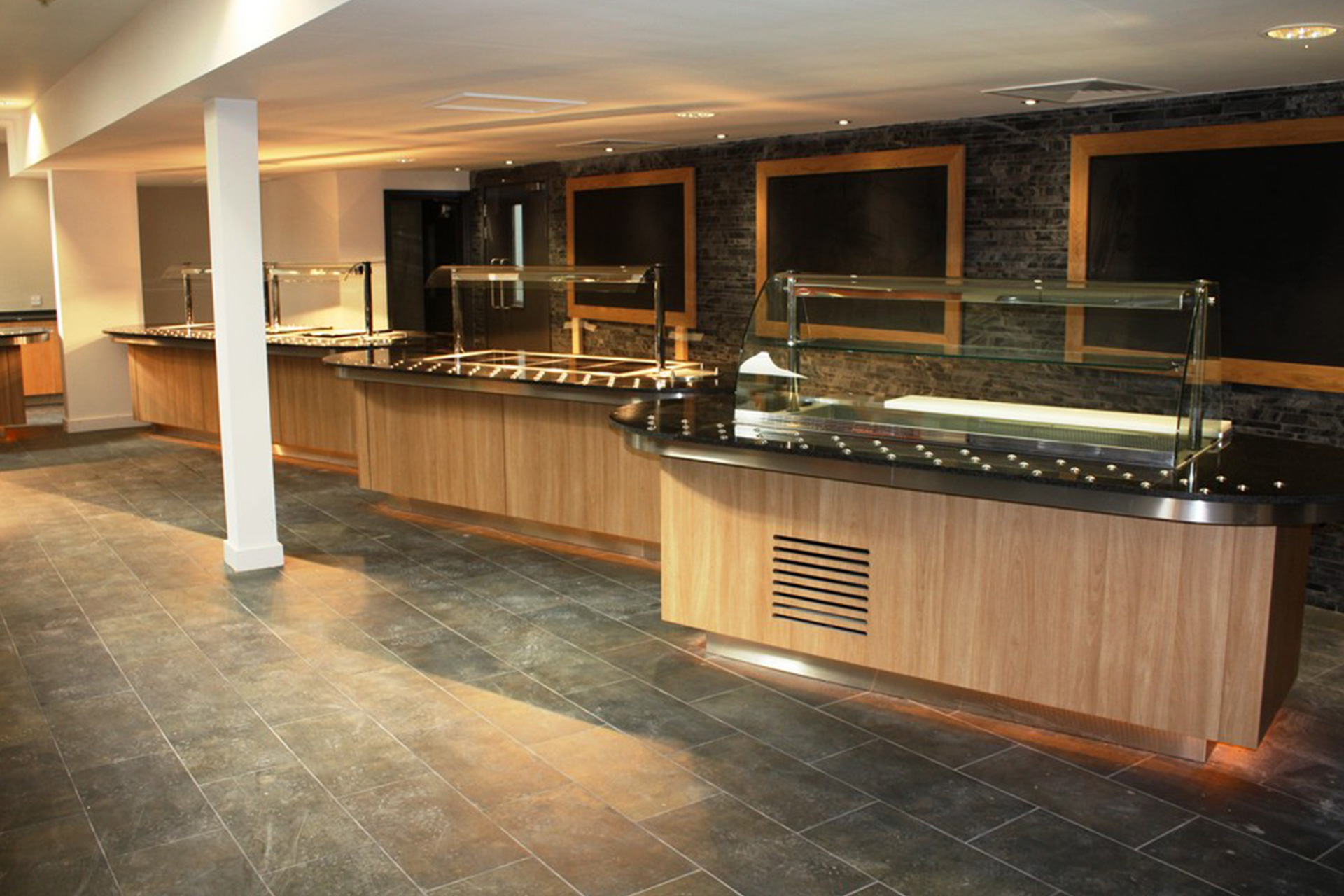
Counterline’s modular servery systems allow commercial hot plates to integrate alongside:
- Heated bain maries
- Refrigerated displays
- Ambient counters
- Heated merchandisers
This creates efficient foodservice flow while maintaining a consistent appearance across the counter line.
👉 View Counterline’s integrated servery solutions here.
Frequently Asked Questions
What temperature should commercial hot plates be set to?
Commercial hot plates used for hot holding should keep food above 63°C to comply with UK food safety guidance.
Do they use a lot of electricity?
Commercial hot plates are generally efficient when used correctly. However, leaving them running unnecessarily or setting temperatures too high can increase electricity consumption.
Are newer commercial hot plates more energy efficient?
Yes. Modern commercial hot plates are designed with improved insulation, better heat distribution, and more accurate temperature controls.
How often should commercial hot plates be cleaned?
Commercial hot plates should be cleaned daily, with regular maintenance checks carried out to ensure consistent performance.
Choosing the Right Setup
Reducing energy costs when using commercial hot plates often comes down to good operating habits and choosing the right equipment.
Correct temperatures, regular maintenance, and efficient service routines can all help lower electricity usage while maintaining food quality and safety.
For advice on specifying commercial hot plates and heated servery equipment, contact the Counterline team here.