+44 (0) 151 548 2211

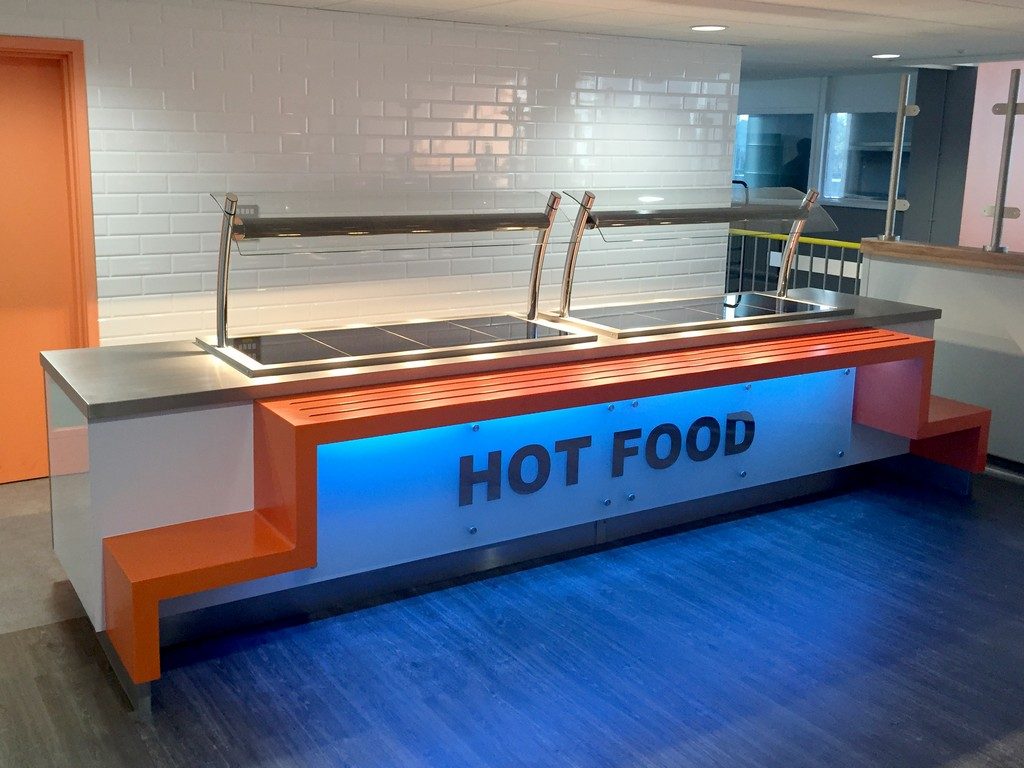
Energy costs are a growing concern for commercial kitchens, particularly in schools, hospitals, and workplace catering environments where equipment runs for long periods. One area that can have a noticeable impact on electricity usage is hot food holding equipment such as hot plates.
With the right setup and good operating practices, commercial hot plates can keep food at safe serving temperatures without unnecessary energy consumption.
The Short Answer
To reduce energy costs when using commercial hot plates, operators should:
- Set the correct hot holding temperature (above 63°C)
- Only switch equipment on when required
- Avoid running hot plates empty
- Maintain equipment regularly
- Use well-designed heated surfaces that distribute heat evenly
Small adjustments like these can significantly reduce electricity usage across a busy service period.
Why Energy Efficiency Matters
Hot plates are designed to keep food warm rather than cook it. When used correctly, they provide consistent hot food holding while maintaining food quality and presentation.
However, if hot plates are set too high, left running unnecessarily, or poorly maintained, they can consume more energy than required.
By improving how hot plates are used within a kitchen or servery, catering operators can:
- Reduce electricity costs
- Maintain food safety standards
- Improve food quality during service
- Extend the lifespan of their equipment
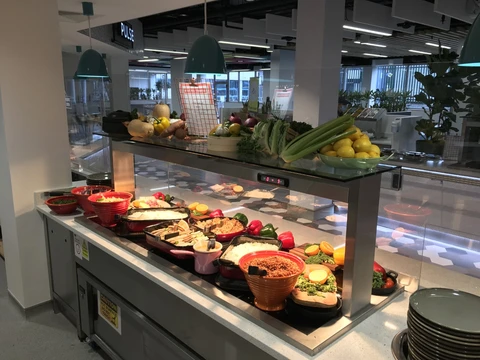
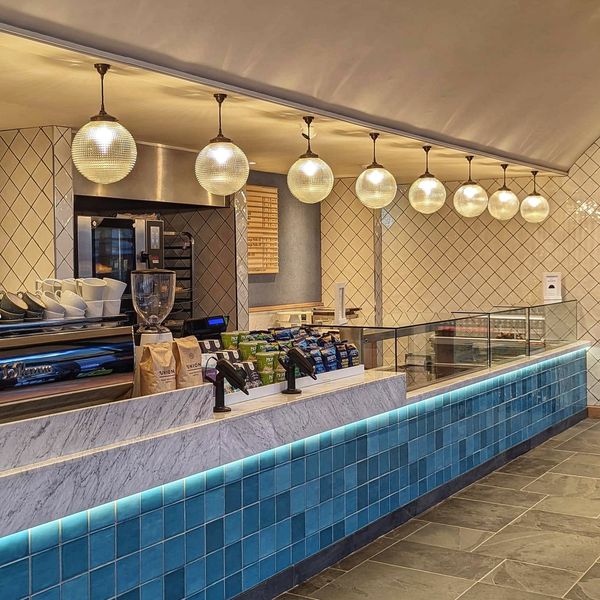
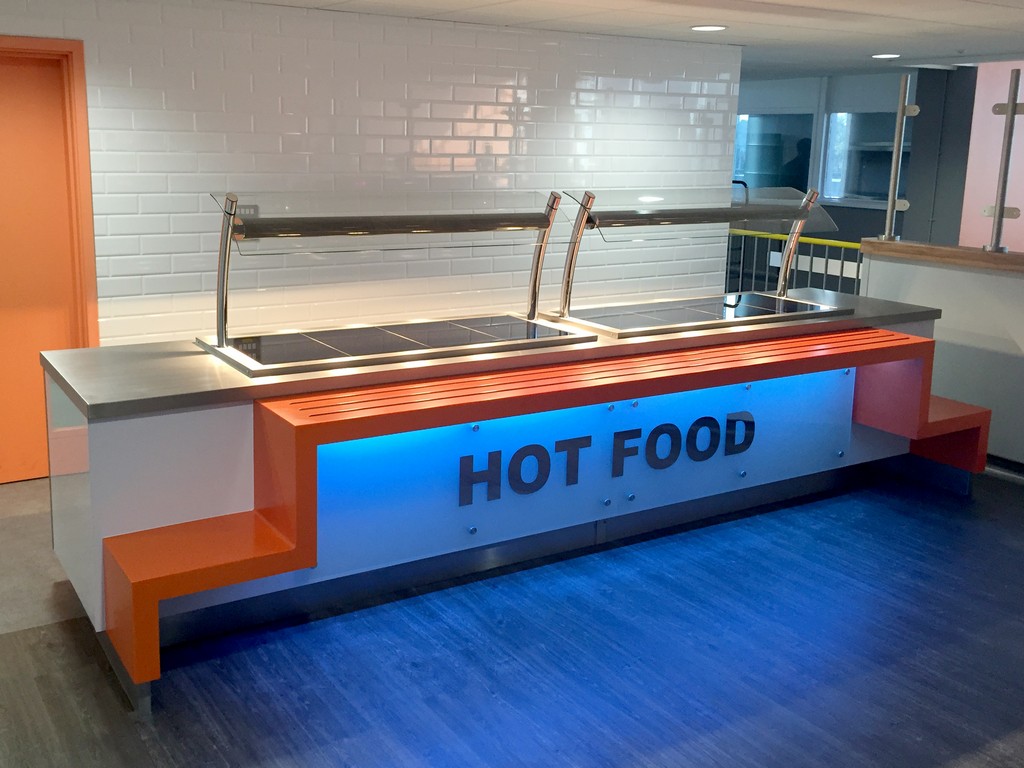
How to Reduce Energy Costs When Using Hot Plates
1. Set the Correct Temperature
In the UK, hot food must be held at 63°C or above to remain safe for service. Setting temperatures significantly higher than this wastes energy and can cause food to dry out.
Modern hot plates allow precise temperature control, making it easier to maintain safe holding temperatures without excessive heat output.
2. Turn Hot Plates On Only When Needed
Hot plates should be switched on shortly before service begins rather than running for long periods beforehand.
Many modern commercial hot plates heat up quickly, meaning they can reach operating temperature in a short time.
Creating a simple pre-service checklist for staff can help prevent unnecessary energy usage.
3. Avoid Running Hot Plates Empty
Operating hot plates with no food on them wastes electricity.
Where possible:
- Switch off unused sections
- Consolidate food during quieter service periods
- Only operate the number of hot plates required
This can reduce overall power consumption during slower trading periods.
4. Maintain Equipment Properly
Poorly maintained hot plates often consume more energy because they struggle to maintain consistent heat.
Regular maintenance should include:
- Cleaning heated surfaces
- Checking thermostats and controls
- Inspecting electrical components
- Ensuring ventilation areas remain clear
Routine maintenance keeps hot plates operating efficiently and reliably.
5. Choose Well-Designed Equipment
The design and build quality of hot plates has a direct impact on energy efficiency. Equipment that distributes heat evenly and retains temperature effectively requires less power to maintain safe holding conditions.
Counterline manufactures a range of heated display and hot food holding equipment designed for reliable performance and efficient operation.
You can find out more about Counterline hot plate options here.


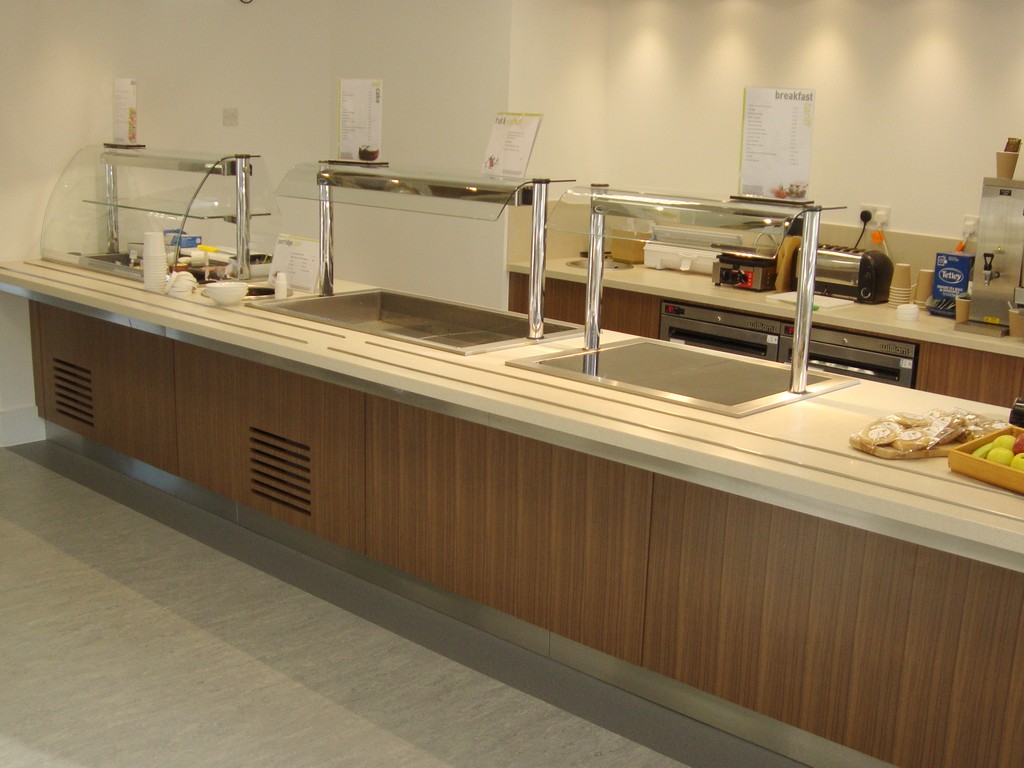
Where Hot Plates Are Most Commonly Used
Commercial hot plates are widely used in:
- School and university serveries
- Workplace dining facilities
- Healthcare catering environments
- Hotels and buffet service areas
- Retail food-to-go counters
In these settings, hot plates help keep plated meals or prepared food at safe temperatures while allowing service to run smoothly.
Frequently Asked Questions
What temperature should hot plates be set to?
Hot plates used for food holding should keep food above 63°C to comply with UK food safety regulations.
Do hot plates use a lot of electricity?
Hot plates are generally efficient when used correctly, but leaving them running empty or setting them too high can increase energy consumption.
Are modern hot plates more energy efficient?
Yes. Newer commercial hot plates are designed with improved heat distribution and temperature control, helping reduce energy usage compared with older equipment.
Need more information? Get in touch
Reducing energy costs when using commercial hot plates often comes down to simple operational improvements. By setting correct temperatures, avoiding unnecessary running time, and maintaining equipment properly, kitchens can significantly reduce electricity usage without affecting service quality.
If you’re planning a new servery or upgrading existing equipment, Counterline can help specify the right hot food holding solutions for your operation.