+44 (0) 151 548 2211

enquiries@counterline.co.uk
Facebook
Twitter
LinkedIn
YouTube
Instagram
Counterline
  • idesign
    • vision aire
      • Heated
      • Chilled
      • Ambient
      • Specification Sheets
      • Options
    • manhattan
      • Heated
      • Chilled
      • Ambient
      • Specification Sheets
    • integrale
      • Heated
      • Chilled
      • Ambient
      • Specification Sheets
    • Frost Top To Hot Plates
    • new experience
      • Heated
      • Chilled
      • Ambient
      • Specification Sheets
      • Options
    • icapacity
      • Heated
      • Chilled
      • Specification Sheets
      • Options
    • imobile
      • Heated
      • Chilled
      • Additions
    • countertops
      • Heated
      • Chilled
      • Ambient
      • Specification Sheets
      • Options
    • Options & Technical Specifications
  • Products
    • Countertop Display Units
    • Display Fridges
    • Assisted Service Counters
    • Commercial Bain Marie
    • Deli Counter
    • Commercial Hot Plates
    • Cake Display Fridges
    • Bespoke Display Units
    • Corner Glass Counters
    • Bakery Display Counters
  • Bespoke
  • Sectors
    • Corporate
      • Case Study: Frost Top to Hotplate for The Chalhoub Group
      • Case Study: Aker Solutions, Aberdeen
      • Case Study: Levy UK+I Market X
      • Case Study: Google Hyderabad
    • Education
      • Case Study: Local Authority Education Project
    • Garden Centres
      • Case Study: Tong & Tingley Garden Centre
    • Healthcare
      • Case Study: Causeway Hospital
      • Case Study: Cater2 – Holywell Hospital
      • Case Study: Royal Liverpool University Hospital
      • Case Study: Baxter Healthcare
    • Hotel & Leisure
      • Case Study: Novotel Liverpool Paddington Village
    • Marine
      • Case Study: Irish Ferries: Boylan’s Restaurant
    • Convenience Stores
      • Case Study: The Linen Deli, Greenes
      • Case Study: SPAR Hull
      • Case Study: The Kitchen at Scotmid
      • Case Study: Henderson’s Daily Deli
      • Case Study: Centra Stores
      • Case Study: The Kitchen at Scotmid, Leven St
      • Case Study: SPAR Lancaster Uni
      • Case Study: SPAR Scotland, CJ’s Food to Go
    • Restaurants & Cafes
      • Case Study: Black Sheep Coffee
      • Case Study: Pret A Manger – UAE
      • Case Study: Costa Coffee Tbilisi Airport
      • Case Study: Patisserie Valerie
      • Case Study: Lu Ban, Liverpool
      • Case Study: Donnybrook Fair Barista Bar
      • Case Study: Caribou Coffee
      • Case Study: One Retail UK
      • Case Study: Synge & Bryne
      • Case Study: Bakers + Baristas
      • Case Study: Cornish Bakery
      • Case Study: ITSU
      • Case Study: JG Ross Coffee Shop & Bakery
      • Case Study: St Agnes Bakery
      • Case Study: Aulds Bakery
    • Forecourts
      • Case Study: Delice De France – EuroGarages on the Move
      • Case Study: BP Wild Bean Cafe Refresh programme 2025
      • Case Study: Shell
      • Case Study: ASDA Food Hub
    • Quick Service Restaurants
      • Case Study: Samworth Brothers & SSP
      • Case Study: Subway, France
      • Case Study: Yamanote Atelier Restaurant – UAE
      • Case Study: Boojum Mexican Chain Restaurant
      • Case Study: Rowe’s Bakery
      • Case Study: Bento Asian Food Bar
      • Case Study: Bob and Bert’s
      • Case Study: Bob & Bert’s (2nd Location)
      • Case Study: Jump Juice
      • Case Study: Historic Chester Railway Station
    • Sports Venues
      • Case Study: iCapacity Food Merchandisers at Hill Dickinson Stadium
      • Case Study: Benchmark x Leicester City
      • Case Study: Coop Live
      • Case Study: Etihad Stadium
    • Retail
      • Case Study: Hana Group
  • News
    • Meet the Team
    • Contact
    • Blogs
    • About
    • Digital Magazine
  • Spares & Service
    • Heated
    • Chilled
    • Glass
    • Ambient
    • Service
  • Brochure Download
catering hotplates

How to Reduce Energy Costs When Using Commercial Hot Plates

05/03/2026Ryan ParkerNews

Energy costs are a growing concern for commercial kitchens, particularly in schools, hospitals, and workplace catering environments where equipment runs for long periods. One area that can have a noticeable impact on electricity usage is hot food holding equipment such as hot plates.

With the right setup and good operating practices, commercial hot plates can keep food at safe serving temperatures without unnecessary energy consumption.

The Short Answer

To reduce energy costs when using commercial hot plates, operators should:

  • Set the correct hot holding temperature (above 63°C)
  • Only switch equipment on when required
  • Avoid running hot plates empty
  • Maintain equipment regularly
  • Use well-designed heated surfaces that distribute heat evenly

Small adjustments like these can significantly reduce electricity usage across a busy service period.

Why Energy Efficiency Matters

Hot plates are designed to keep food warm rather than cook it. When used correctly, they provide consistent hot food holding while maintaining food quality and presentation.

However, if hot plates are set too high, left running unnecessarily, or poorly maintained, they can consume more energy than required.

By improving how hot plates are used within a kitchen or servery, catering operators can:

  • Reduce electricity costs
  • Maintain food safety standards
  • Improve food quality during service
  • Extend the lifespan of their equipment
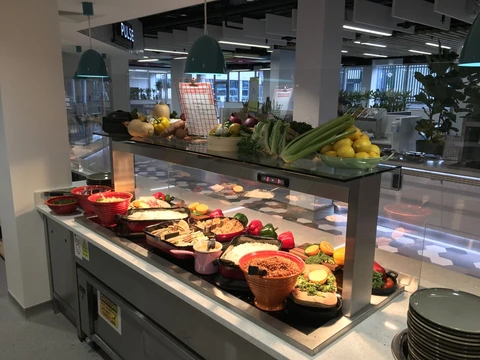
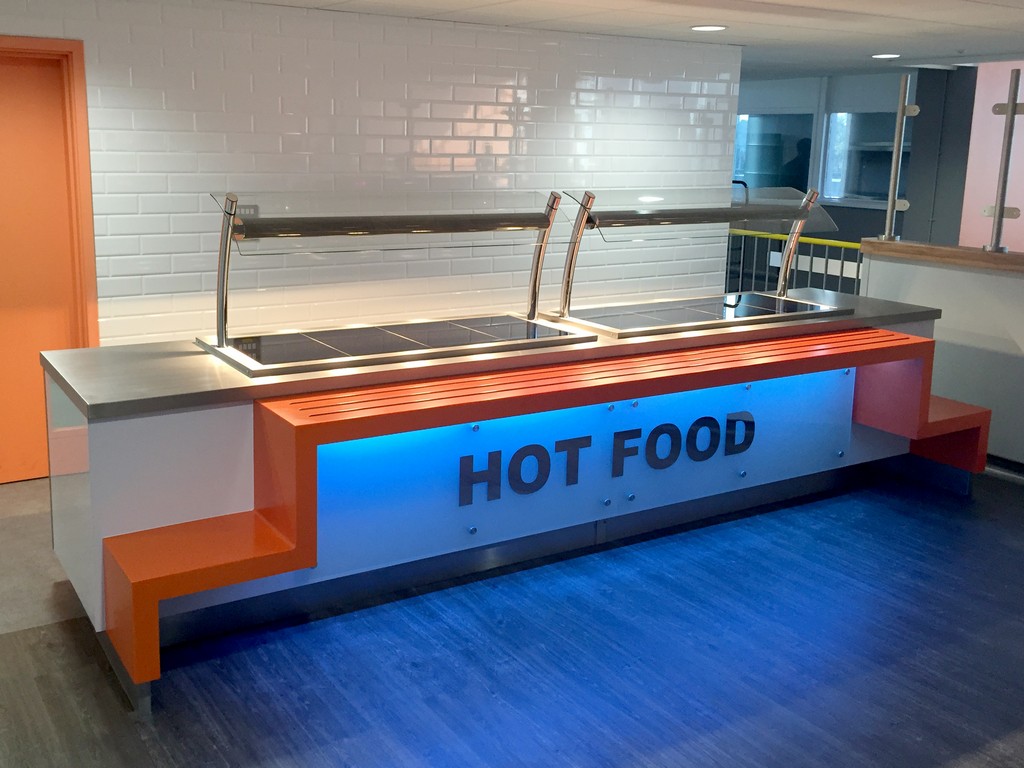
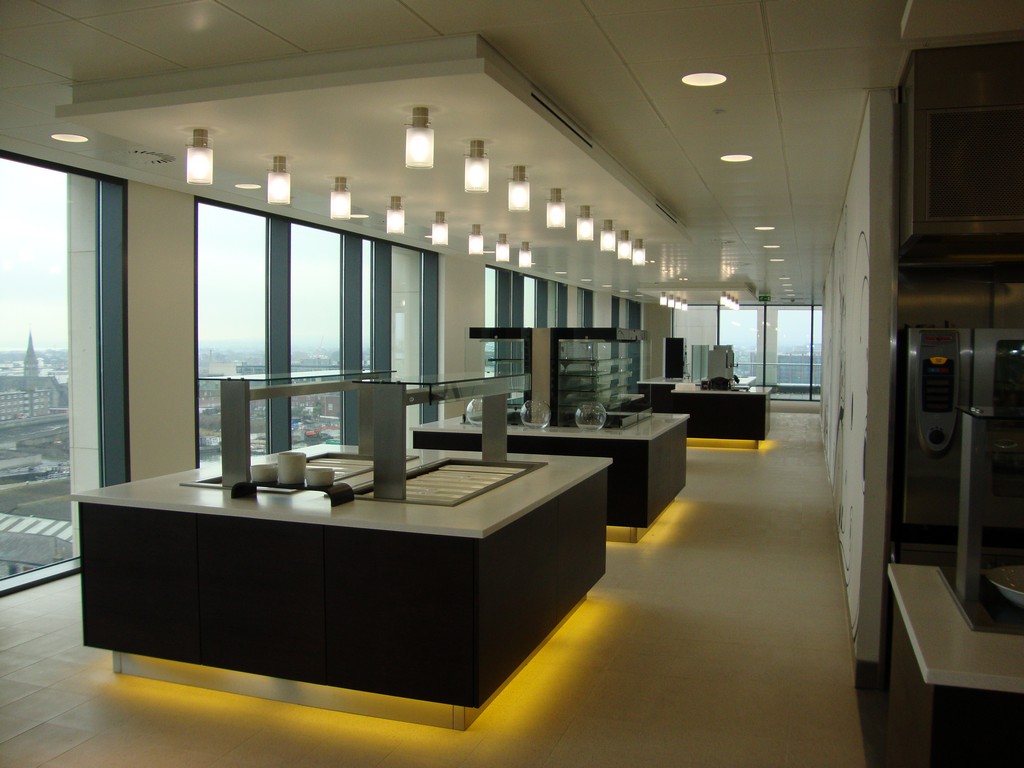
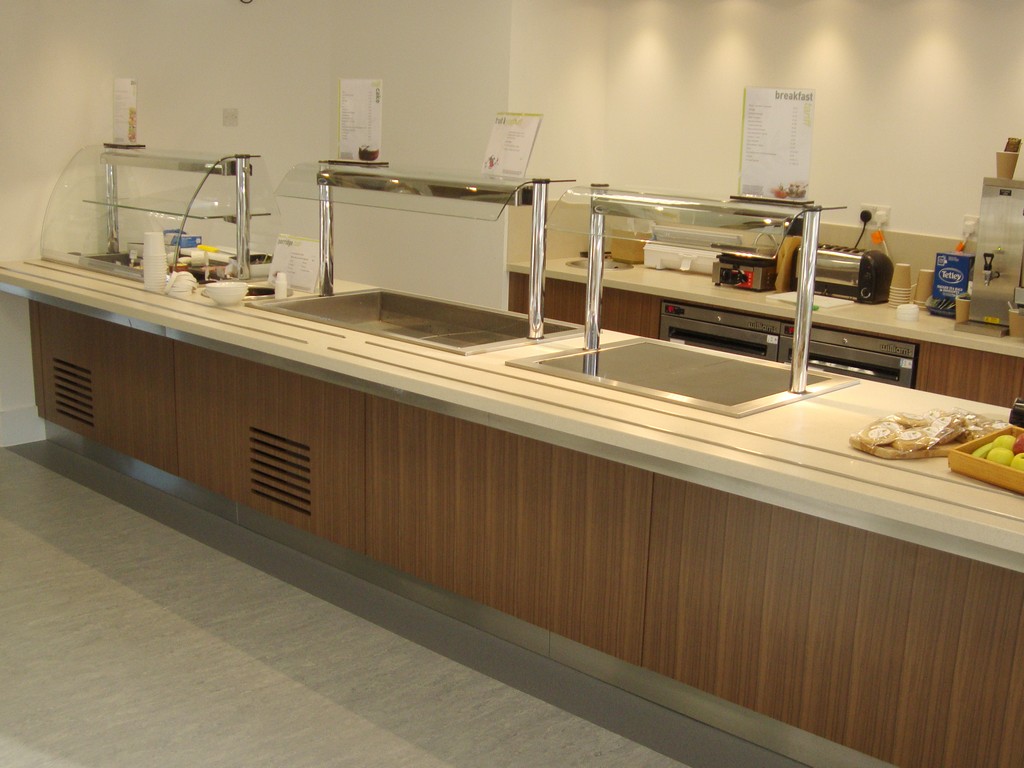
Glass Hotplates, Hot Plates
catering hotplates, Hot Plates

How to Reduce Energy Costs When Using Hot Plates

1. Set the Correct Temperature

In the UK, hot food must be held at 63°C or above to remain safe for service. Setting temperatures significantly higher than this wastes energy and can cause food to dry out.

Modern hot plates allow precise temperature control, making it easier to maintain safe holding temperatures without excessive heat output.

2. Turn Hot Plates On Only When Needed

Hot plates should be switched on shortly before service begins rather than running for long periods beforehand.

Many modern commercial hot plates heat up quickly, meaning they can reach operating temperature in a short time.

Creating a simple pre-service checklist for staff can help prevent unnecessary energy usage.

3. Avoid Running Hot Plates Empty

Operating hot plates with no food on them wastes electricity.

Where possible:

  • Switch off unused sections
  • Consolidate food during quieter service periods
  • Only operate the number of hot plates required

This can reduce overall power consumption during slower trading periods.

4. Maintain Equipment Properly

Poorly maintained hot plates often consume more energy because they struggle to maintain consistent heat.

Regular maintenance should include:

  • Cleaning heated surfaces
  • Checking thermostats and controls
  • Inspecting electrical components
  • Ensuring ventilation areas remain clear

Routine maintenance keeps hot plates operating efficiently and reliably.

5. Choose Well-Designed Equipment

The design and build quality of hot plates has a direct impact on energy efficiency. Equipment that distributes heat evenly and retains temperature effectively requires less power to maintain safe holding conditions.

Counterline manufactures a range of heated display and hot food holding equipment designed for reliable performance and efficient operation.

You can find out more about Counterline hot plate options here.

Hot Plates
Hot Plates
Hot Plates

Where Hot Plates Are Most Commonly Used

Commercial hot plates are widely used in:

  • School and university serveries
  • Workplace dining facilities
  • Healthcare catering environments
  • Hotels and buffet service areas
  • Retail food-to-go counters

In these settings, hot plates help keep plated meals or prepared food at safe temperatures while allowing service to run smoothly.

Frequently Asked Questions

What temperature should hot plates be set to?

Hot plates used for food holding should keep food above 63°C to comply with UK food safety regulations.

Do hot plates use a lot of electricity?

Hot plates are generally efficient when used correctly, but leaving them running empty or setting them too high can increase energy consumption.

Are modern hot plates more energy efficient?

Yes. Newer commercial hot plates are designed with improved heat distribution and temperature control, helping reduce energy usage compared with older equipment.

Need more information? Get in touch

Reducing energy costs when using commercial hot plates often comes down to simple operational improvements. By setting correct temperatures, avoiding unnecessary running time, and maintaining equipment properly, kitchens can significantly reduce electricity usage without affecting service quality.

If you’re planning a new servery or upgrading existing equipment, Counterline can help specify the right hot food holding solutions for your operation.

Contact the Counterline team today!

Tags: hot plates
Ryan Parker
Previous post Hot Food Holding: How to Keep Food Safe, Hot and Ready to Serve

Recent Posts

  • How to Reduce Energy Costs When Using Commercial Hot Plates
  • Hot Food Holding: How to Keep Food Safe, Hot and Ready to Serve
  • Choosing the Right Countertop Hot Merchandiser for Your Business
  • Flexible Hot Food Service Made Easy with Freestanding Merchandisers
  • Why a High Capacity Heated Bain Marie is Key for Flexible Catering Environments

Archives

  • March 2026
  • January 2026
  • November 2025
  • October 2025
  • September 2025
  • August 2025
  • July 2025
  • June 2025
  • May 2025
  • April 2025
  • March 2025
  • February 2025
  • January 2025
  • December 2024
  • November 2024
  • October 2024
  • September 2024
  • August 2024
  • June 2024
  • February 2024
  • January 2024
  • December 2023
  • November 2023
  • October 2023
  • September 2023
  • August 2023
  • July 2023
  • April 2023
  • March 2023
  • January 2023
  • December 2022
  • November 2022
  • October 2022
  • August 2022
  • July 2022
  • June 2022
  • May 2022
  • August 2021
  • July 2021
  • June 2021
  • May 2021
  • April 2021
  • March 2021
  • February 2021
  • January 2021
  • December 2020
  • November 2020
  • October 2020
  • March 2020
  • February 2020
  • November 2019
  • March 2019
  • October 2018
  • August 2018
  • April 2018
  • March 2018
  • February 2018
  • March 2017

Categories

  • Information
  • News

About Counterline

Counterline is the market leader for the design and
manufacture of bespoke foodservice counters and displays.

Contact

Counterline Ltd 12 Randles Rd, Knowsley Business Park,
Merseyside, Knowsley, Liverpool L34 9HZ
+44 (0) 151 548 2211
servicelog@counterline.co.uk

Accreditations

ceda Silver Partner 2026 Logo.
f-gas register engineer
iirsm-logo
nic-eic-logo-300x145
af62b6dd5423c3a6fee8aec3d0de16e1
ifsa logo
  • Terms and Conditions
  • Home
  • About
  • Sectors
  • Contact Us
© 2017 Counterline Limited. All rights reserved. Designed by ELLISONMARKETING